Synthetic identity fraud prevention is a massive headache for today's digital banks. It is completely different from old-school identity theft. Criminals no longer just steal a real person's wallet or passport. Instead, they manufacture entirely new identities out of thin air. They take a single piece of real data—usually a real Social Security Number (SSN)—and mix it with a fake name, fake birthday, and fake address.
This mashup makes the fraud incredibly difficult to catch. Why? Because when a bank checks the data, a piece of it actually belongs to a real human being.
To shield your bank and protect your real users, you need an active, multi-layered defense. This guide explains how to pull that off. We will cover how these fake profiles are built, how scammers use new software to trick security teams, and the exact tools you can use to lock down your system.
What is Synthetic Identity Fraud?
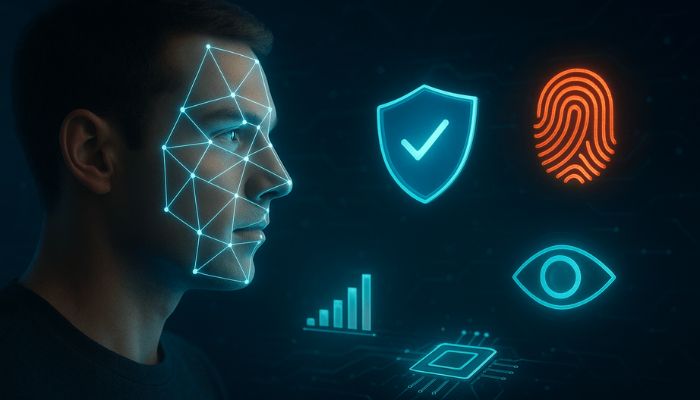
Think of traditional identity theft as someone wearing a mask of your face. They are pretending to be you. Synthetic identity fraud is different. It is more like building a Frankenstein monster out of random parts. The criminal creates a brand-new identity that has zero history in the real world.
Scammers usually look for SSNs that are not actively being monitored. Children, people in nursing homes, and homeless individuals are common targets. Once a scammer gets a clean SSN, they tie it to a completely invented name and a fresh mailing address.
Next comes the application phase. The scammer applies for a simple credit card or a digital bank account using this fake persona. The credit bureau searches its system. It finds a real SSN but a brand-new name, so it automatically generates a fresh, blank credit file. This is known as a "fragment file."
From here, the scammer plays the long game. They spend months or years paying bills on time to build up an excellent credit score for this ghost profile. When credit limits hit their peak, the scammer maxes out every single account and vanishes.
Because no real person receives a bill for this stolen money, the crime often goes unnoticed for years. Digital banks end up taking massive financial losses.
You may also read :- Fintech Fraud Prevention: Key Strategies and Technologies for 2026
How Criminals Use Generative AI to Create Fake Documents
Years ago, scammers used basic editing tools to change text on scanned bills or old IDs. It looked sloppy and was easy to spot. Today, they use advanced generative AI tools to design incredibly realistic fake documents from scratch. This makes onboarding security checks much harder to pass.
The Rise of Fake IDs and Utility Bills
When a customer registers for an account, they usually have to take a photo of their government ID and upload a utility bill to confirm their address. Scammers now use AI engines to generate flawless images of driver's licenses, utility bills, and payroll slips. To the human eye, these items look perfect. The logos are razor-sharp, the fonts are correct, and the layout looks completely official.
Why Old Checks Fail
Standard document validation systems usually just read the text or check if the photo template looks correct. They completely miss the hidden signs of AI creation.
To catch these, modern banks must rely on deep document forgery detection. These specialized tools look past the surface of the image. They examine the raw file data, pixel patterns, and tiny image anomalies that prove a computer generated the file rather than a physical camera lens.
Checking Directly with Government Systems: The eCBSV System
The single best way to stop synthetic identity fraud is to check user data against official government registries right away. In the United States, the Social Security Administration provides a direct service for this called the eCBSV verification system.
How the eCBSV System Works
When a new user signs up online, they type in their name, date of birth, and SSN. With the user's electronic permission, the digital bank instantly routes this data straight to the eCBSV platform. The system checks these fields against the official government master file.
The bank receives a lightning-fast "yes" or "no" answer. The system validates whether that specific SSN actually matches the first and last name provided.
Stopping the Fraud Before It Starts
If a scammer tries to link a child's real SSN to an adult's fake name, the eCBSV check fails instantly. The system flags it as a mismatch, and the bank blocks the registration right there. Putting this step at the front door of your onboarding process stops synthetic fraud before a fake user ever gets inside your network.
Catching Hidden Patterns with Identity Graph Anomaly Detection
Fraud ring leaders do not just make one fake identity at a time. They operate like a business, launching dozens or hundreds of fake profiles simultaneously. Because they need to manage these profiles efficiently, they often reuse small pieces of infrastructure across different accounts. They might use different names and different SSNs, but they will route the mail to the same drop box or use the same phone number.
This is where identity graph anomaly detection comes into play. An identity graph is a data map that connects every piece of information entering your system.
| Incoming Application | Linked Data Point | System Action |
| User Profile A | Phone: 555-0144 | Allowed to proceed |
| User Profile B | Phone: 555-0144 | Sent to manual review |
| User Profile C | Phone: 555-0144 | Sent to manual review |
Finding the Hidden Links
Real people have logical data trails. Their phone numbers, emails, and home addresses have been linked together across public records for years.
Fake identities do not have this history. A data graph will show you if five separate bank accounts—all with completely different names—are suddenly sharing the exact same smartphone device token or logging in from the identical IP address.
Spotting Anomalies
An anomaly is just an unusual pattern that breaks the norm. When your database views all accounts as a connected web, these strange links stick out. If your system spots multiple unconnected names sharing a single phone line, a red flag drops. This approach allows banks to dismantle entire fraud networks before any cash leaves the building.
Using Autonomous AI Fraud Agents for Real-Time Protection

Fraud happens in seconds. A criminal can open an account, get approved, and transfer stolen funds out of the bank in under ten minutes. Human teams simply cannot review every single signup or transaction at that speed. To stay protected, banks need autonomous AI fraud agents.
Constantly Monitoring Systems
Autonomous fraud agents are active security programs that watch over your bank around the clock. They do not wait around for a human manager to give them instructions. Instead, they actively evaluate every single account creation, login, and deposit as it happens in real time.
Immediate Action and Prevention
These automated agents combine insights from your identity graphs and document scans to make split-second choices. If a new application shows extreme fraud signals, the agent freezes the account instantly. It does not just add an alert to a human worker's daily queue. By taking immediate, independent action, these systems stop fraud at the exact millisecond it is attempted.
A Complete Strategy for Preventing Synthetic Identity Fraud in Digital Banking
To fully defend your digital bank, a single security tool will not cut it. You need a multi-layered defense plan that tracks a user's behavior from their very first click through their daily banking habits.
Step 1: Secure Onboarding
Your first defense line is the sign-up page. This is where you run deep image scans to look for AI document forgeries and pull eCBSV records to ensure names match up with SSNs.
Step 2: Behavioral Monitoring
Watch how an account acts once it goes live. Synthetic profiles behave very differently than real humans. Real customers buy groceries, fill up their cars at gas stations, and pay local restaurants. Fake profiles often sit completely quiet, or they only interact with specific lines of credit to inflate their score. They show zero normal consumer habits.
Step 3: Regular Network Reviews
Keep cleaning your data maps. Periodically run checks across your entire active database to see if any older accounts have suddenly started interacting with new, high-risk user profiles.
Step-by-Step Implementation Guide
Upgrading your security posture requires an organized timeline. Skipping an integration step leaves an open door for scammers to walk through.
1. Connect to Government Databases First: Prerequisite Step.
Link your main onboarding framework directly to the eCBSV verification platform. Make sure every new user profile is cross-checked against official records before an internal account is created.
2. Deploy Deep Image Verification: Onboarding Phase.
Activate tools that scan uploaded documents for AI forgery patterns. Ensure your system checks the deep file metadata and pixel layers, not just the text printed on the front.
3. Launch the Identity Graph: Data Integration.
Tie all past and new customer records into a single network map. This should link phone numbers, physical locations, emails, and hardware device signatures.
4. Activate Autonomous Agents: Live Monitoring.
Turn on autonomous fraud agents to scan the data graph and transaction queues continuously. Give these tools the power to temporarily freeze accounts that show high-risk anomalies.
Conclusion: Staying Ahead of the Fraudsters
Synthetic identity fraud prevention is a tough challenge, but it is entirely beatable. When you accept that scammers mix real and fake data together, you can build systems specifically designed to spot those cracks.
Using government verification channels like eCBSV, scanning for AI-generated document files, mapping accounts with identity graphs, and using autonomous software agents to halt threats instantly will keep your platform safe. As fraud tactics shift, your defenses must evolve alongside them. Implementing these clear steps keeps your digital bank secure for real people.